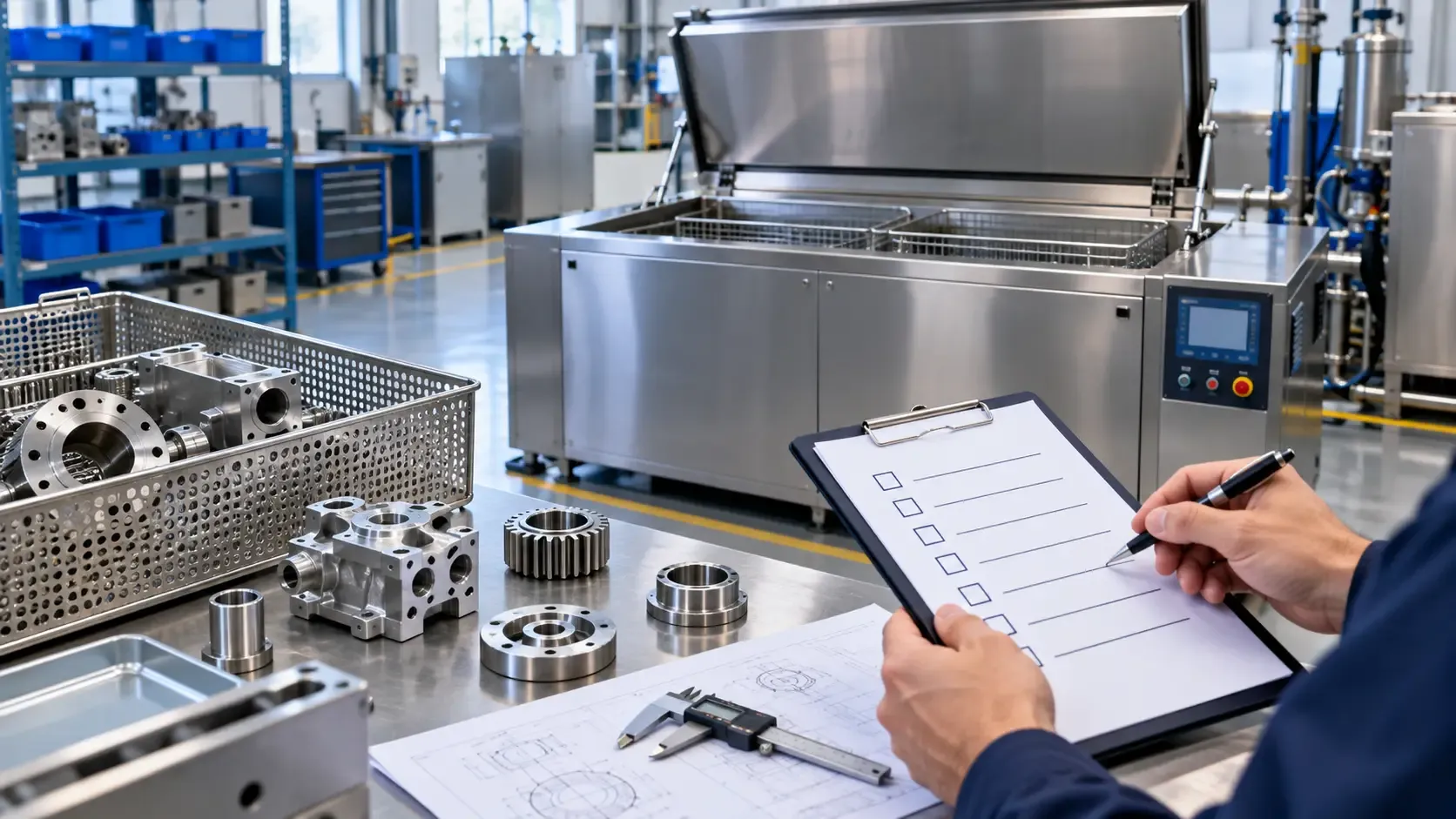
Multi-Stage Ultrasonic Cleaning Systems: Cleaning, Rinsing & Drying Guide
Learn how a multi-stage ultrasonic cleaning system uses washing, rinsing, and drying to control residue for precision parts.

Learn how a multi-stage ultrasonic cleaning system uses washing, rinsing, and drying to control residue for precision parts.

What frequency is best for cleaning engine parts? Learn why 28kHz is the golden standard for heavy carbon, and when to use 40kHz for delicate aluminum parts.

Learn how to safely remove flux from PCBs using an industrial ultrasonic cleaner. Discover the best 40kHz frequency, aqueous solutions, and DI water rinsing.

Learn how to choose an industrial ultrasonic cleaner based on parts, contamination, tank size, frequency, filtration, and production requirements.

What liquid should you use in an ultrasonic cleaner for engine parts? Learn the best solutions for aluminum vs cast iron, correct temperatures, and mistakes to avoid.

Learn how to safely use an ultrasonic carburetor cleaner without ruining the aluminum. Discover the right chemicals, 40kHz frequency, and temperature settings.

Compare single-tank and multi-tank ultrasonic cleaners and learn how to choose the right system based on cleaning stages, rinsing, drying, production volume, and automation needs.

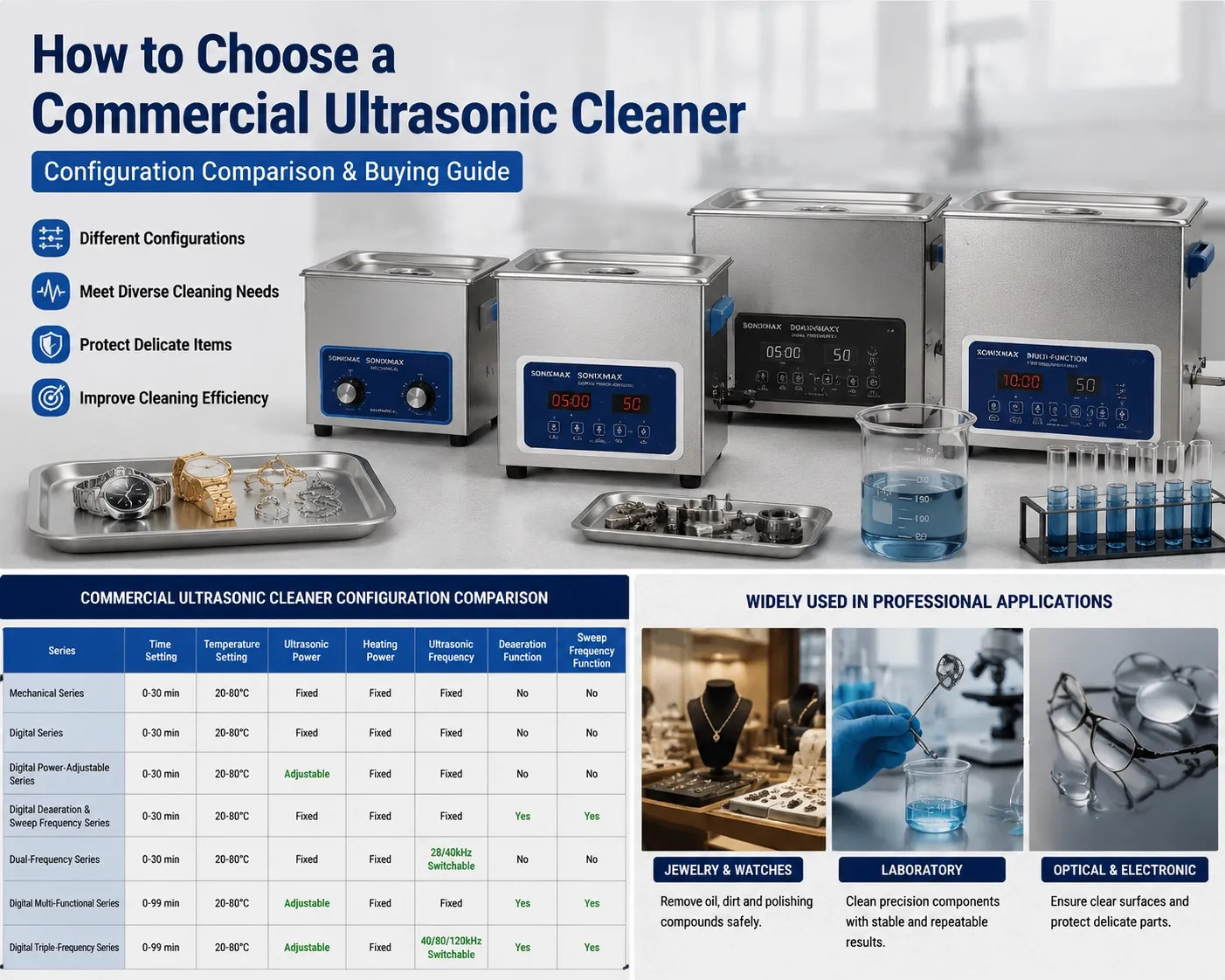
Learn how to choose a commercial ultrasonic cleaner by comparing different configurations, functions, and applications for professional cleaning requirements.

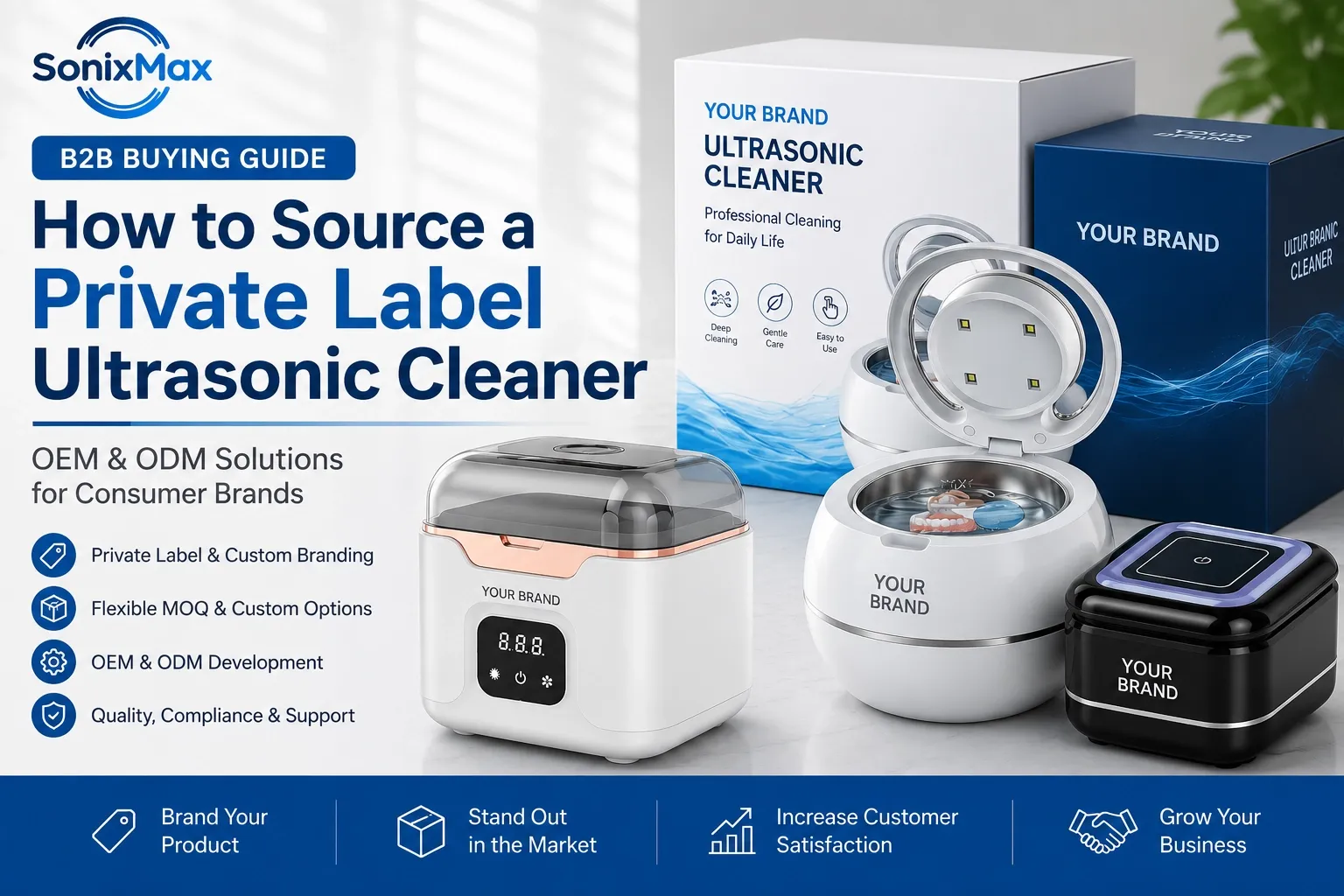
Learn how to source private label ultrasonic cleaners, compare OEM and ODM options, and evaluate MOQ, customization, packaging, samples, and sourcing risks.

Looking for the best industrial ultrasonic cleaner for engine parts? Learn how to choose the right 28kHz machine, avoid costly mistakes, and save labor costs.